THANDAV: Breaking Cultural Barriers to Women’s Physical Activity in India
In today’s busy world, staying active is often easier said than done. The global burden of non-communicable diseases is steadily increasing, making regular physical activity more important than ever. Despite growing awareness of its benefits, most people are still unable to meet the recommended daily levels of physical activity [300 mins/week]. Women, in particular, face additional cultural and social barriers that limit their participation.
One of the most significant challenges is rooted in traditional gender roles. Women are often expected to prioritize family responsibilities over their own health. Household duties and caregiving are seen as their primary roles, leaving little time or energy for structured exercise. In many cases, physical activity is viewed as unnecessary or even a luxury rather than a necessity.
Concerns related to safety and social perceptions further limit their outdoor mobility. Fear of harassment or unsafe environments discourages many women from walking, jogging, or exercising outdoors. In addition, societal judgment and criticism can make women feel self-conscious about participating in physical activities, especially in public spaces. Limited access to safe, inclusive, and women-friendly recreational facilities adds to these challenges.
Time constraints and lack of support also play a crucial role. Balancing work, household responsibilities, and caregiving often leaves women with little time for themselves. Moreover, a lack of encouragement from family or community can reduce motivation to stay active.
However, the narrative is slowly changing. Increasing awareness about women’s health and fitness has led to the rise of women-only gyms, fitness communities, and accessible online workout platforms. These supportive environments are empowering more women to prioritize their wellbeing.
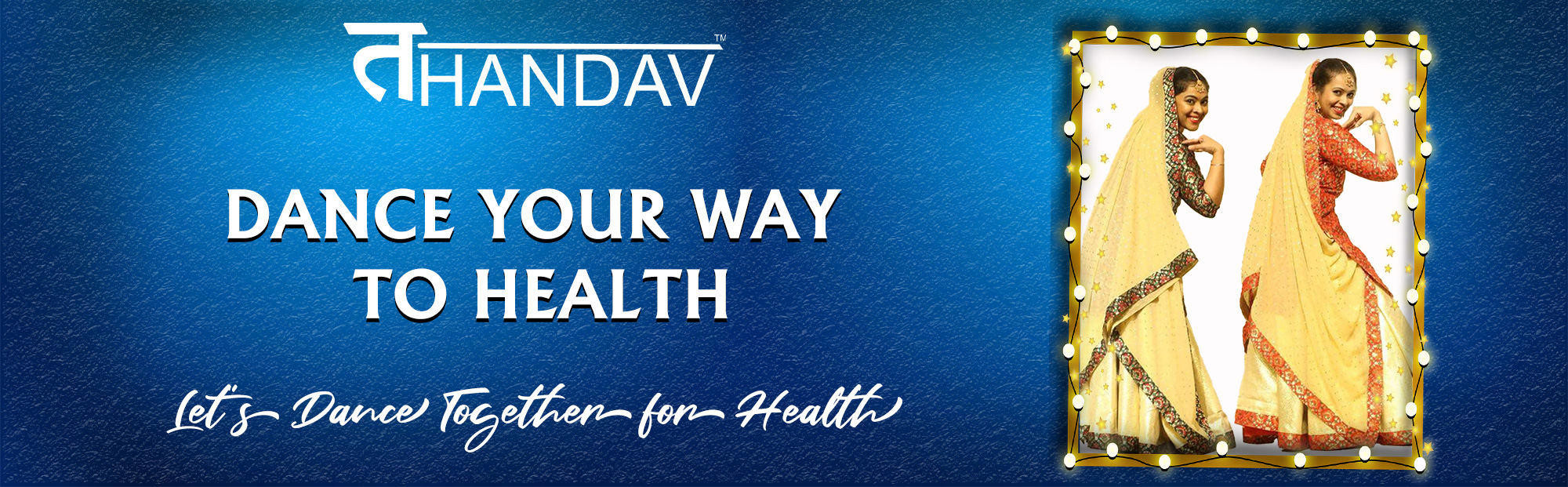
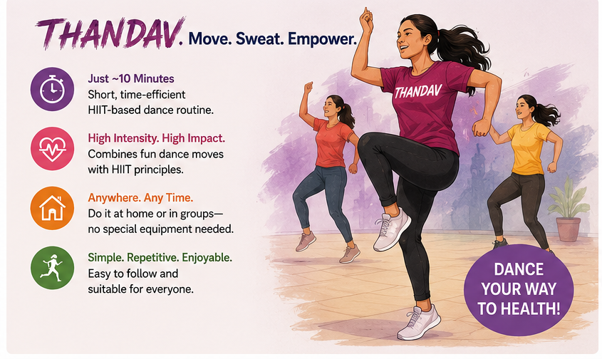
THANDAV1,2 is one such intervention that addresses common barriers such as lack of time, limited access to facilities, and low motivation, making it especially easier, for women and adolescent girls, to incorporate regular physical activity into their daily lives.
Breaking cultural barriers to physical activity is not just about individual choice; it requires a shift in societal attitudes, family support, and access to safe spaces. When women are encouraged and empowered to prioritise their health, the benefits extend beyond individuals to families and communities. By challenging norms and creating supportive environments, we can ensure that every woman in India can lead an active and healthier life.
References
- Anjana, R. M., Nitika, S., Sinha, S., Kuriyan, R., Pradeepa, R., Palmer, C., Kurpad, A. V., Mohan, V., Sallis, J., & Ranjani, H. (2021). A Novel High-Intensity Short Interval Dance Intervention (THANDAV) to Improve Physical Fitness in Asian Indian Adolescent Girls. Diabetes Technology & Therapeutics, 23(9), 623–631. https://doi.org/10.1089/dia.2021.0028
- Anjana RM, Nitika S, Jagannathan N, et al. A Novel High-Intensity Short Interval Dance Intervention (THANDAV) for Non-Communicable Disease Prevention Tailored to Asian Indian Adolescent Girls. Journal of Diabetes Science and Technology. 2025;19(4):1035-1050. doi:1177/19322968251332925