Move, Dance, Thrive: How Cultural Dance Can Transform Women’s Health
Movement does not always have to begin in a gym. Sometimes, it begins with rhythm, expression, and tradition. For many women, cultural dance offers a powerful way to stay active while staying connected to their roots, transforming health in ways that go beyond the physical.
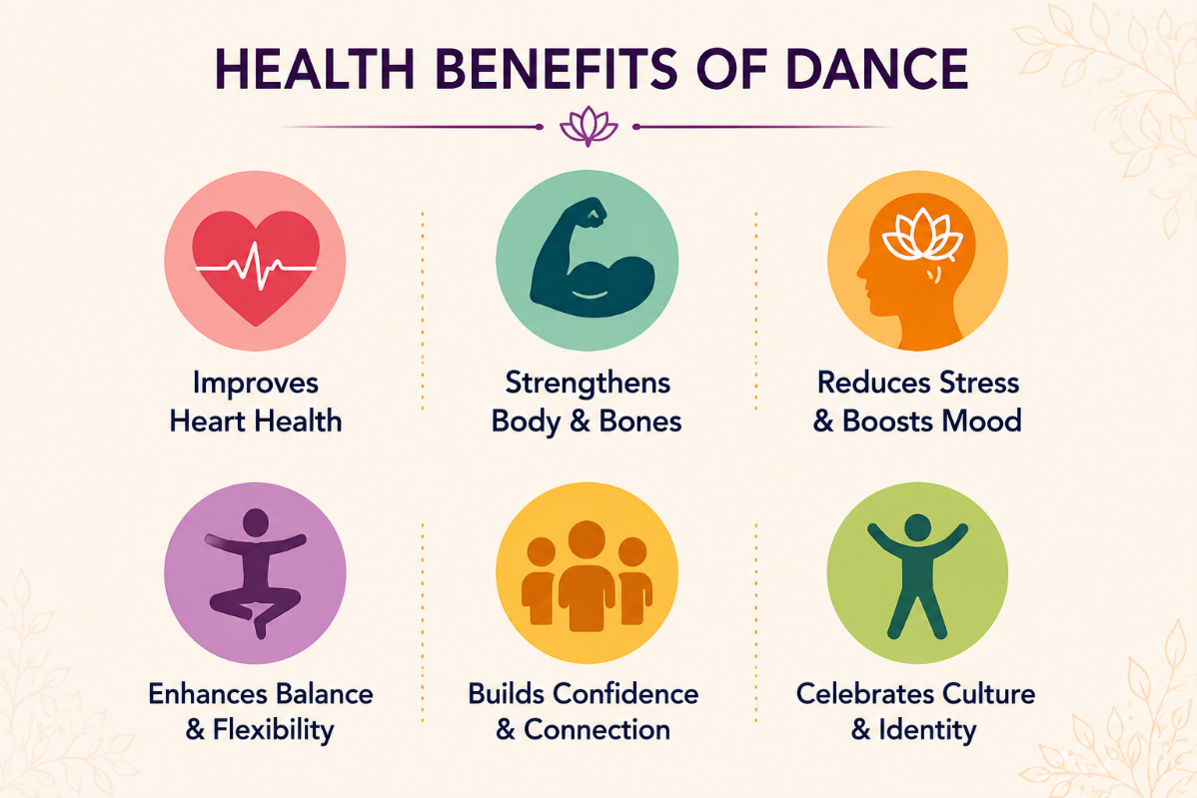
Cultural dance plays a significant role in improving physical health. Indian classical and folk-dance forms involve coordinated movements that enhance overall fitness, build stamina, improve flexibility, and strengthen muscles¹². Regular participation can also support weight management and bone health, which is particularly important for women as they age. Unlike conventional workouts, dance feels less like an obligation and more like an enjoyable activity, making it easier to sustain over time.
Beyond the physical, dance has profound effects on mental and emotional well-being. Engaging in rhythmic movement helps reduce stress, anxiety, and symptoms of depression². It encourages mindfulness, allowing women to be present in the moment while expressing emotions freely. The release of endorphins during dance further contributes to a sense of happiness and relaxation, making it a holistic approach to mental health.
Dance also contributes to improved quality of life and functional health. It enhances balance, coordination, and mobility, which are essential for daily activities. For women across different age groups, especially older adults, dance can support independence and reduce the risk of falls¹². These functional benefits make it a practical and effective form of physical activity.
At a deeper level, cultural dance strengthens the connection between the body, mind, and identity. It allows women to engage with their cultural heritage, fostering a sense of belonging and pride. Traditional dance forms often carry stories, values, and history, turning movement into a meaningful and enriching experience³.
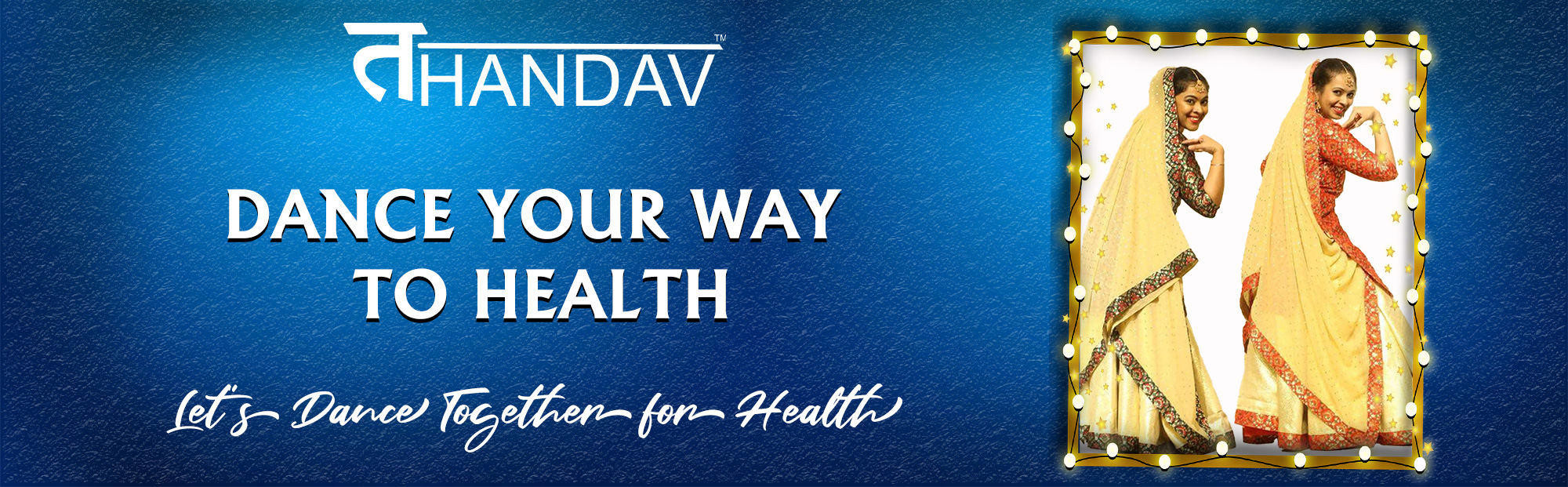
Initiatives like THANDAV⁴,5 are reimagining how women engage with physical activity. By blending culturally familiar dance movements with structured exercise, such approaches make staying active more accessible and enjoyable. This highlights how culturally relevant forms of movement can play a powerful role in improving women’s overall health and fitness.
In essence, cultural dance is more than an art form—it is a pathway to stronger bodies, healthier minds, and empowered lives. When women move with rhythm and purpose, they do not just dance; they thrive.
References:
- Lu, J., Abd Rahman, N. A., Wyon, M., & Shaharudin, S. (2024). The effects of dance interventions on physical function and quality of life among middle-aged and older adults: A systematic review. PLOS ONE, 19(4), e0301236. https://doi.org/10.1371/journal.pone.0301236
- Mishra, S. S., & Shukla, S. (2022). Effect of Indian folk-dance therapy on physical performances and quality of life in elderly. Biomedical Human Kinetics, 14(1), 244–251. https://doi.org/10.2478/bhk-2022-0030
- Rupkatha Journal. (2020). The therapeutic value of Indian classical, folk and innovative dance forms. https://rupkatha.com/the-therapeutic-value-of-indian-classical-folk-and-innovative-dance-forms/
- Anjana, R. M., Nitika, S., Sinha, S., Kuriyan, R., Pradeepa, R., Palmer, C., Kurpad, A. V., Mohan, V., Sallis, J., & Ranjani, H. (2021). A Novel High-Intensity Short Interval Dance Intervention (THANDAV) to Improve Physical Fitness in Asian Indian Adolescent Girls. Diabetes Technology & Therapeutics, 23(9), 623–631. https://doi.org/10.1089/dia.2021.0028
- Anjana, R. M., Nitika, S., Jagannathan, N., Vinothini, D., Yuvarani, K., Mohan, V., Pradeepa, R., Palmer, C. N. A., O’Shea, M., Goenka, S., Manian, R., Karthik Raj, A., Surendran, S., Unnikrishnan, R., Sallis, J. F., & Ranjani, H. (2025). A Novel High-Intensity Short Interval Dance Intervention (THANDAV) for Non-Communicable Disease Prevention Tailored to Asian Indian Adolescent Girls. Journal of Diabetes Science and Technology, 19(4), 1035–1050. https://doi.org/10.1177/19322968251332925